Hot Springs, AR · Garage Door Service
Hot Springs Garage Door Repair: Cost, Timing & Causes
What drives garage door repair cost in Hot Springs, AR, when to call, and why 1980s-90s builds and cold snaps cause most of the failures we see.
- Repairs & new doors
- Springs & openers
- Serving 4 nearby communities
The Cost of This Job
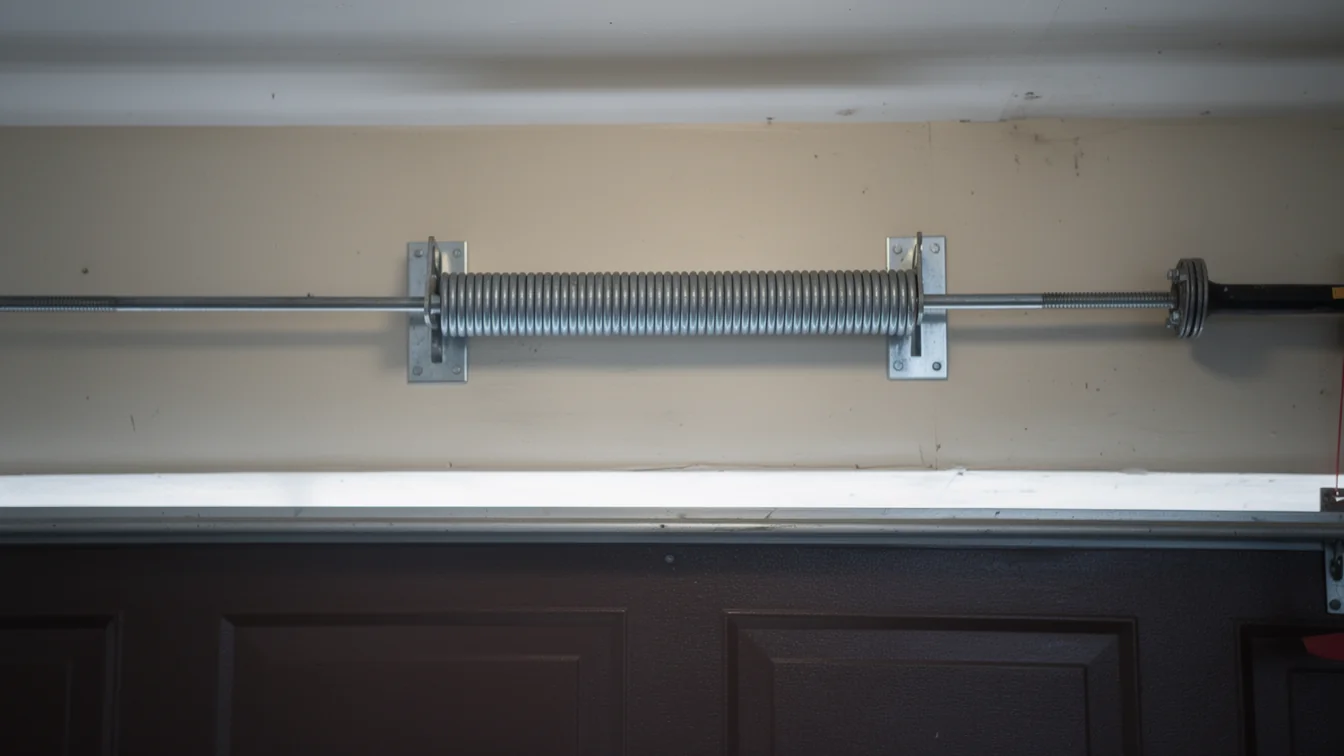
We can't quote a number here without seeing the door, but we can tell you what moves the price up or down in this area. Most houses in Hot Springs and the surrounding areas - Lake Hamilton, Rockwell, Piney - went up between 1969 and 1994, with the bulk of that stock dating to the 1980s and 90s. That matters because a door from that era often runs original hardware: torsion springs sized for a panel weight nobody makes anymore, or an opener with a drive gear that's been discontinued. Matching old hardware costs more in parts and labor than swapping a current unit.
If your spring or opener is original to a house built in that window, expect the job to lean toward replacement rather than a quick fix, simply because parts for 35-to-55-year-old systems aren't sitting on a shelf. Newer doors installed in the last decade or so are usually a cheaper repair - common spring sizes, common openers, parts on the truck. The honest answer: tell us the age of the door and we'll tell you which category you're in before we show up.
When to Call Someone
Call now if the door won't move and you hear a loud bang before it stopped - that's almost always a broken torsion spring, and a spring under tension is not a DIY repair. Call soon, not urgently, if the door is slow to open, sags on one side, or the opener strains and reverses. In a cold-moderate climate like ours, a spring that's already fatigued from age often lets go on the first hard freeze of the season, so a door that's been sluggish all fall is worth a look before winter sets in rather than after it fails at 6am.
You don't need to call for a door that's just noisy. Squeaky rollers and a rattly track are maintenance, not emergencies, and most of the 11,262 owner-occupied houses across this service area can go years on a tightened bracket and a shot of lubricant. Where it turns urgent is a door stuck open (security and weather exposure) or stuck closed with a car trapped inside. Those two situations are the ones that justify a same-day call instead of working it into your week.
What Local Conditions Do
This area sits in a cold-moderate climate band, which means winters cold enough to stiffen grease and tighten metal, but not cold enough to crack concrete the way harder climates do. What that temperature swing does to a garage door: the torsion spring loses some of its lift on a cold morning, so the opener has to work harder to pull the door up, and that extra strain is what finally snaps a spring that was already near the end of its life. We see more spring failures in the first real cold snap of the year than at any other time.
Humidity swings through the seasons also affect wood-paneled doors, common on the older end of the 1969-1994 housing stock here, by making panels swell and stick in their tracks during wet stretches and shrink loose during dry ones. That's a different failure mode than steel doors, which mostly fail at the spring or the opener rather than the panel itself. Knowing which kind of door you have tells you which part is likely to go first.
The Problem
The core issue in Hot Springs is that a lot of the door hardware out there is older than the people calling about it. With housing here concentrated in the 1969-1994 range and median build year around 1987, a large share of the roughly 17,044 households in this service area are running springs, openers, and tracks that are pushing three and four decades old. That hardware wasn't built to fail gracefully - torsion springs especially tend to work fine right up until the day they don't.
The second part of the problem is cold-weather timing. A spring near the end of its rated cycle count is more likely to break on a cold morning than a warm afternoon, because cold metal is less forgiving under sudden load. Put those two facts together - old stock, cold snaps - and you get a predictable pattern: calls spike when temperatures drop, concentrated in houses from that original build era. We can't fix the age of the housing stock, but we can tell you honestly when a door is past the point where another repair makes sense versus replacing it outright.
Frequently asked questions
Why did my spring break on the coldest morning of the year?
Cold metal is less forgiving under load, so a spring that's already near the end of its life is more likely to snap on a hard freeze morning than a warm afternoon. In our cold-moderate climate, that's the single most common pattern we see for spring failures.
My house was built in the 1980s - is that a problem for my garage door?
Not on its own, but if the spring, track, or opener are original to the house, matching parts for 35-to-45-year-old hardware costs more than parts for a current system. Worth checking the age of your opener and spring size before assuming a quick repair will cover it.
Is a noisy door an emergency?
No. Squeaky rollers and a rattly track are maintenance items, not urgent calls. The situations that justify same-day attention are a door stuck open, a door stuck closed with a car trapped inside, or a loud bang followed by the door refusing to move at all.
Related garage door services in Hot Springs
More garage door guides
Book garage door service in Hot Springs
Call now or request a quote - tell us what the door is doing and where you are.